Two AI Agents, One Blog: A Shared Publishing Ledger
Hi there.
What happens when two AI setups can publish to the same blog?
I'm not a developer, and I run two separate setups, one built on Claude and one built on a different AI assistant.
Both can reach the same blogs and video channels.
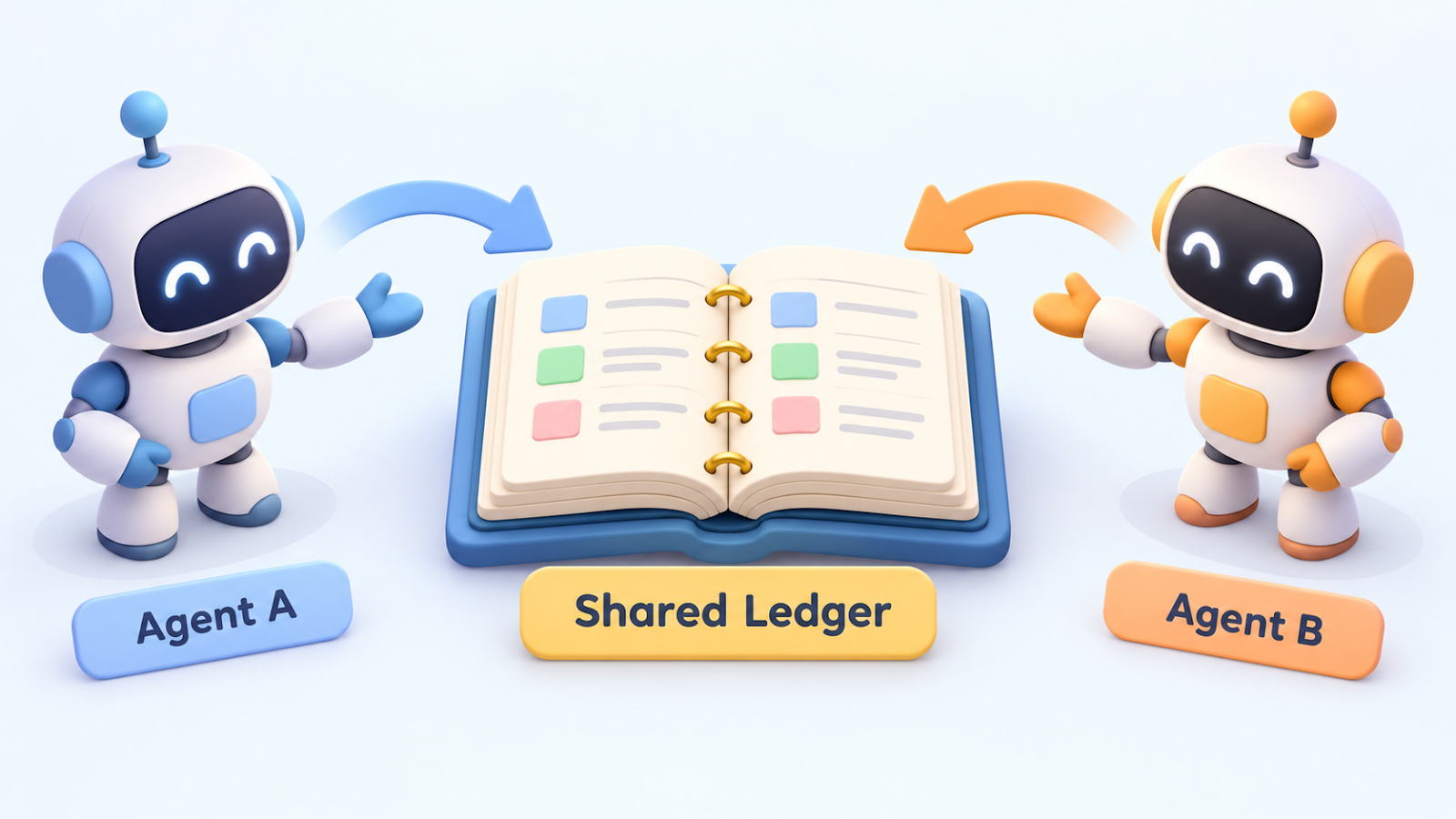
So I set up one shared ledger that both must check before anything goes live.
The problem I was avoiding
Drafting is safe to do in parallel.
Publishing is not, because two setups could post the same topic, or change the same post, at the same moment.
I wanted a rule both setups follow without needing to talk to each other.

Photo: Markus Winkler on Pexels
The ledger and the lock
The ledger is a plain text file that lists every external action: what it is, where it goes, who made it and who published it.
Next to it is a folder for locks.
A lock is a small file that says "this destination is being changed right now".
Here is the rule that both setups follow:
- Drafting, research, image making and local previews can happen at any time.
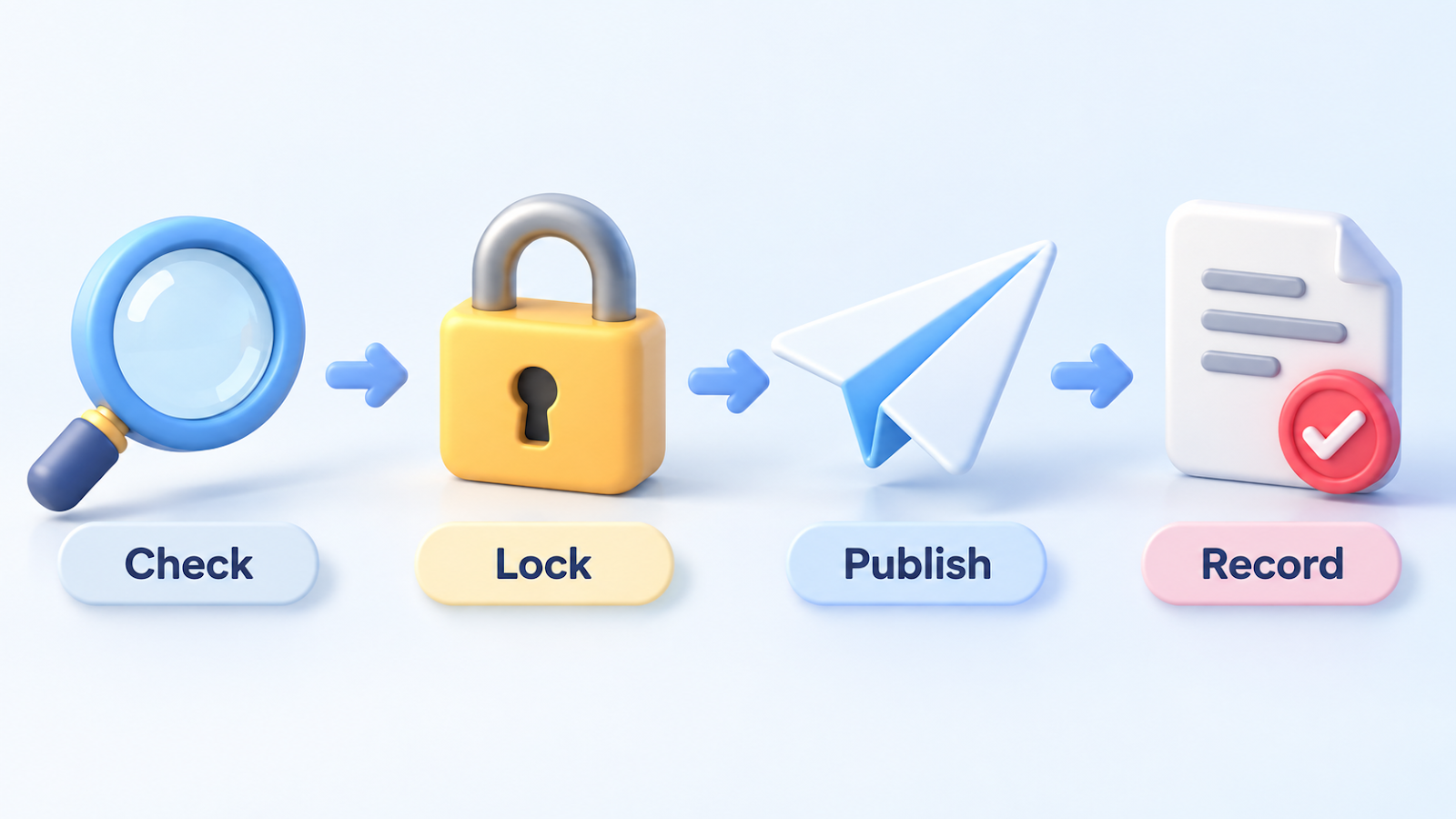
- Before any publish, schedule, update, delete, or title or thumbnail change, check the ledger first.
- Take the lock for that destination immediately before the external action.
- After the action, read the result back from the platform, write it to the ledger, and only then release the lock.
Who is allowed to change what
Each record has a producer and a publisher.
They can be different, for example one setup writes the post and the other publishes it.
Once a record is scheduled or published, only the recorded publisher may change it, unless I reassign it.
What stays separate
- Each setup keeps its own approval system. An approval in one is not an approval in the other.
- Login files and keys are never copied between the setups. Each one signs in on its own.
- Results belong to the blog or channel, not to either setup.

Photo: Sanket Mishra on Pexels
What I did to test it
My blog already had 22 pages and posts published before the ledger existed.
I added them to the ledger from the publishing records I already had, then published a new post with the full cycle.
The lock was taken and released correctly, and the new records are marked as verified.
Wrap-up
- Let drafts run in parallel, and make every outside action go through one ledger and one lock.
- Record who made it, who published it, and what the platform actually showed afterward.
- Keep approvals and logins separate for each setup.
If you run more than one AI setup, how do you keep them from stepping on each other?
I'd love to hear your approach.
Related post:
Thanks for reading.

Comments
Post a Comment